


dried cassava chips
Cassava is commonly planted in subtropical and tropical regions, with Indonesia being one among them. Cassava roots can be dried and processed into chips or pellets. Dried cassava chips are widely applied in the production process and easier to ship than fresh cassava. It can be used for a variety of purposes, including alcohol, animal feed, and the cassava starch industry, and many more.
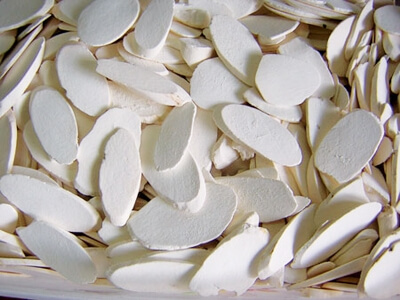
Furthermore, this is a rich raw material to produce ethanol fuel, and raw material for the manufacture of alcohol and citric acid, especially popular by cassava wine producers.
– Used to produce bioethanol: Bioethanol is ethanol produced from vegetable raw materials, that is made with cassava as the basic ingredient. It is a liquid resulting from the fermentation of sugar from a carbohydrate source, using the help of a microorganism source Through several processes, dried cassava chips turn into bioethanol that’s eco-friendly, which can be used for fuel, chemical industry purposes, cosmetics, and pharmacy.
– Used to produce animal feed: Cassava is a high-carbohydrate, root-stalk-based energy source. Due to the higher energy content, cassava is frequently used in compound feed to replace higher-priced energy feeds like corn or wheat. Mold infection is nearly non-existent in dried cassava chips, which has numerous advantages for animal health. It will be pulverized and turned into a pellet with additional materials and used for feed.
– Used as raw materials to produce cassava starch. Tapioca is made from cassava starch. Dried cassava chips will be ground, given water and pressed. Next, the pulp will be separated with cassava starch which will then be dried and ready to use for daily needs.